
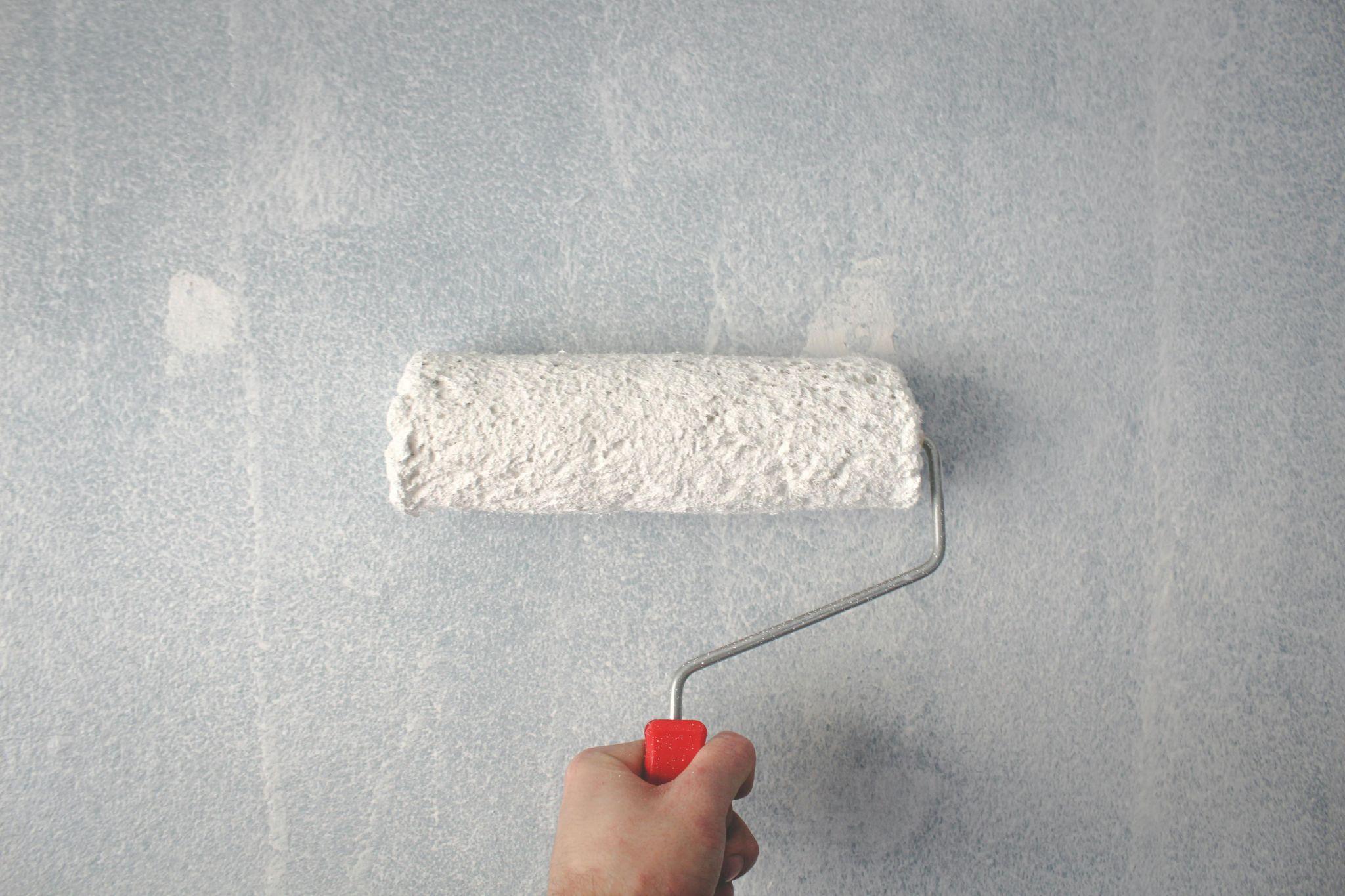
Are you looking to enhance the durability of your construction projects? It all starts with the right foundation. One such essential component is an epoxy primer for construction surfaces, which serves as the foundation for protecting and reinforcing various building materials.
Whether you’re working with concrete, metal, or other construction surfaces, choosing the correct primer can significantly affect your structure’s durability and performance.
This guide will explain why using epoxy primer in construction is crucial, explore the best epoxy primer for concrete surfaces, and offer insights into how to apply epoxy primer on construction materials.
We’ll also touch upon the benefits of epoxy primer for metal surfaces in construction and the growing demand for low-VOC epoxy primer for residential use, making your next project stronger and more sustainable.
So, let’s get straight into it!
What Is an Epoxy Primer?
An epoxy primer for construction surfaces is a specially formulated coating applied before the final finish or topcoat to enhance adhesion, protect the surface, and improve durability. It serves as the first layer of defense for various construction materials, such as concrete and metal.
Epoxy primers are composed of a two-part system—a resin and a hardener that, when mixed, create a strong bond with the surface, preventing issues like cracking, peeling, or corrosion.
Epoxy primers are particularly effective in sealing porous surfaces, such as concrete, providing a smooth and uniform base for subsequent coatings. They also protect metal surfaces in construction from rust and corrosion, making them a preferred choice for industrial and commercial projects.
Furthermore, low VOC epoxy primers for residential use have become increasingly popular for eco-friendly applications, ensuring safety without compromising performance. Overall, epoxy primers are vital in increasing the lifespan and durability of construction surfaces.
How Does the Epoxy Primer Work?
An epoxy primer for construction surfaces functions by forming a robust bond between the substrate and the topcoat, ensuring long-term durability.
When applied, the primer penetrates and seals the surface, creating a smooth, stable foundation that enhances adhesion for subsequent coatings. The two-part system, consisting of resin and hardener, chemically cures to form a tough, protective barrier that resists moisture, corrosion, and environmental wear.
The best epoxy primer for concrete surfaces fills in pores and minor imperfections, preventing uneven finishes. On metal, epoxy primer for metal surfaces in construction shields against rust and corrosion, extending the structure’s lifespan and ensuring the topcoat remains intact even under harsh conditions.
What Are the Benefits of Epoxy Primer?
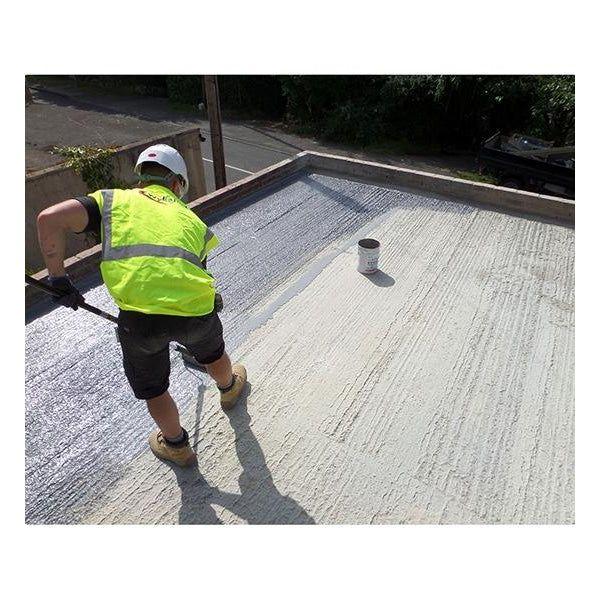
Epoxy primer enhances adhesion, improves durability, and protects against moisture, corrosion, and environmental wear. It creates a smooth base for topcoats, whether applied to concrete or metal. Using the best epoxy primer for concrete surfaces ensures long-lasting strength and durability in construction projects. Let’s discuss these in more detail:
1) Superior Adhesion
The superior adhesion provided by an epoxy primer for construction surfaces is crucial in environments where structural integrity is vital.
For example, in high-traffic areas such as warehouses, factories, or parking garages, the strong bond between the surface and the topcoat prevents peeling or delamination due to constant wear.
Similarly, the epoxy primer ensures the top layer adheres tightly to metal surfaces in construction, reducing the risk of corrosion-related damage. The best epoxy primer for concrete surfaces is essential when dealing with heavy machinery or equipment, ensuring the coating stays intact even under significant stress.
2) Moisture and Corrosion Resistance
Moisture and corrosion resistance are vital for preventing damage in moisture-prone areas like basements, outdoor structures, or industrial settings. Using a waterproof epoxy primer for concrete surfaces ensures that water infiltration doesn’t lead to cracks, spalling, or concrete degradation.
This resistance is even more critical for epoxy primers for metal surfaces in construction, as they prevent rust from forming on steel beams or other metal components exposed to humidity or rain.
This makes epoxy primer the preferred choice for projects in coastal regions, tunnels, bridges, or even residential basements where moisture is a constant threat.
3) Increased Surface Strength
Increased surface strength is particularly important for surfaces that experience heavy loads, impacts, or frequent use. An epoxy primer for construction surfaces enhances the toughness of concrete floors in industrial warehouses, where forklifts, vehicles, and machinery are constantly in motion.
Using the best epoxy primer for concrete surfaces in residential settings reinforces driveways or garage floors, preventing cracks or surface damage from daily wear.
For metal surfaces in construction, an epoxy primer adds strength to the substrate, allowing it to better withstand temperature fluctuations, heavy loads, and environmental stress. This ensures long-lasting structural integrity in demanding environments.
4) Reduced Maintenance Cost
Epoxy primers’ reduced maintenance cost is invaluable for large-scale projects like commercial buildings, bridges, or residential developments.
By creating a protective barrier, an epoxy primer for construction surfaces minimizes the need for frequent repairs and recoating, particularly in areas exposed to harsh conditions. For epoxy primers for metal surfaces in construction, the protection against rust significantly extends the lifespan of metal structures, reducing long-term repair costs.
On concrete, the best epoxy primer for concrete surfaces seals and strengthens the material, preventing costly cracks or damage, making it a smart financial investment in both commercial and residential projects.
5) Longevity and Value
When constructing large-scale projects such as industrial complexes, high-rise buildings, or public infrastructure, the longevity and value offered by an epoxy primer for construction surfaces are vital.
Epoxy primers provide long-lasting protection, extending the lifespan of concrete and metal materials. This is particularly useful in projects where repairs or maintenance downtime, such as airports, factories, or commercial buildings, would be costly.
Additionally, using a low VOC epoxy primer for residential use ensures environmentally friendly applications without sacrificing durability, making it the preferred choice for modern, sustainable building designs. The long-term value of epoxy primers makes them a key component in achieving resilient, high-quality structures.
What Are the Applications of Epoxy Primer In Construction?
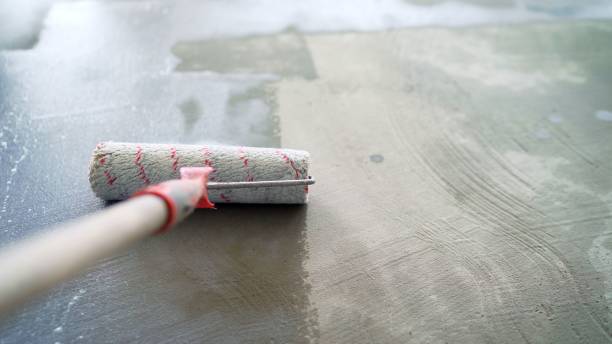
In construction, epoxy primers are used extensively to enhance adhesion, durability, and protection. Common applications include concrete floors, walls, and metal structures.
Whether in commercial, industrial, or residential projects, an epoxy primer for construction surfaces ensures long-lasting protection against moisture, corrosion, and environmental wear, significantly extending the lifespan of the materials.
1) Concrete Surfaces:
Using an epoxy primer for concrete surfaces is essential for sealing and strengthening floors, walls, and foundations in construction. The primer penetrates the porous surface of concrete, creating a smooth base that enhances adhesion and prevents cracking or damage over time.
In high-traffic areas, like warehouses or commercial spaces, the best epoxy primer for concrete surfaces ensures the topcoat remains intact and resists wear and abrasion.
An epoxy primer acts as a waterproof barrier to repair epoxy cracks in basement walls, protecting against moisture infiltration that could weaken the concrete. This makes it an ideal choice for industrial and residential construction projects.
2) Metal Surfaces
An epoxy primer provides critical protection against rust, corrosion, and environmental wear for metal surfaces in construction.
The primer forms a strong bond with the metal, creating a barrier that shields it from moisture and chemical exposure, essential in industrial settings like factories, bridges, and steel frameworks.
Using an epoxy primer for metal surfaces in construction helps maintain the structural integrity of the metal, even in harsh outdoor conditions. It also improves adhesion for the topcoat, preventing peeling or chipping, which can compromise the metal’s durability. This makes it an invaluable tool for long-lasting metal protection.
3) Wood and Other Surfaces
While commonly used on concrete and metal, epoxy primers are also effective on wood and other construction surfaces. When applied to wood, the primer seals the porous surface, enhancing the adhesion of paints and finishes while preventing moisture from penetrating the wood, which could cause Rot warping. This is especially important for outdoor structures like decks, fences, or framing.
Epoxy primers can also be used on other materials, such as masonry or fiberglass, ensuring a durable, smooth foundation. The best epoxy primer for concrete surfaces offers versatility, making it suitable for various applications beyond concrete or metal.
Comparison With Other Primers
Epoxy primers stand out due to their superior strength, adhesion, and durability, especially in high-stress environments. Compared to acrylic and polyurethane primers, epoxy primers for construction surfaces offers better protection against moisture and corrosion. In the next section, we are going to compare these primers and learn more about them.
1) Epoxy Primer vs Acrylic Primer:
Acrylic primers are popular for their ease of use and quick drying times, making them ideal for residential projects like walls, ceilings, and light-duty surfaces. Acrylic is water-based, allowing easy cleanup and minimal fumes during application. However, acrylic primers lack the strength and durability needed for surfaces exposed to high wear, moisture, or heavy loads. They perform best on interior surfaces like drywall or plaster, where protection from environmental stressors isn’t a major concern.
In contrast, epoxy primer for construction surfaces offers far superior adhesion and durability. Epoxy primers penetrate and bond strongly with concrete and metal, creating a tough layer that resists moisture, corrosion, and chemical exposure.
These qualities make epoxy primer for concrete surfaces essential for industrial and commercial applications and any project requiring long-term durability. Unlike acrylic, epoxy primers are built to handle extreme conditions, offering far more protection in heavy-duty environments.
2) Epoxy Primer vs Polyurethane Primer
Polyurethane primers are valued for their flexibility and resistance to UV light, making them a good choice for outdoor applications and surfaces exposed to sunlight.
They are often used on wood, plastic, and other materials where flexibility is important to prevent cracking over time. However, polyurethane primers don’t offer the same level of resistance to chemicals, moisture, and heavy wear, making them less suitable for environments exposed to harsh conditions or industrial use.
On the other hand, epoxy primer for construction surfaces excels in areas where polyurethane primers fall short. Epoxy provides unmatched toughness and superior bonding with materials like concrete and metal. It offers excellent resistance to moisture, making it ideal for basements, warehouses, and metal structures.
For projects requiring maximum strength, such as metal surfaces in construction, epoxy primer delivers higher durability and protection, especially in high-traffic or moisture-prone areas, bringing long-lasting defense that polyurethane cannot match in heavy-duty settings.
Are Epoxy Primers Eco-friendly?
Epoxy primers can be eco-friendly, especially when formulated with low VOC content. They are designed to reduce environmental impact while still delivering the strength and durability required in construction. Let’s talk about this in more detail.
1) Low VOC Epoxy Primers
Low VOC epoxy primers are specifically designed to meet environmental standards by minimizing the release of harmful volatile organic compounds during application. These products are ideal for residential and commercial use, particularly in indoor settings where air quality is a concern.
Using low VOC epoxy primer for residential use not only reduces the impact on the environment but also enhances safety for contractors and occupants, as it releases fewer fumes and hazardous chemicals.
Despite the eco-friendly formulation, these primers maintain the high performance and durability expected from epoxy, providing long-lasting protection for concrete and metal surfaces
.
2) Reduced Material Waste
Using an epoxy primer for construction surfaces helps reduce material waste over time due to its superior durability and long lifespan. Epoxy primers extend the life of the surfaces they protect, reducing the need for frequent repairs or recoating. This minimizes the use of additional materials and lowers the overall environmental footprint of construction projects.
Moreover, the ability to use epoxy primer for concrete surfaces and metal surfaces in construction means fewer specialty products are needed, simplifying the process and preventing excess waste. Overall, epoxy primers offer a sustainable choice for builders seeking to reduce material consumption and waste.
Conclusion:
Choosing an epoxy primer for construction surfaces is essential for ensuring long-term durability and strength in various construction projects. Whether you’re working with concrete or metal, using the best epoxy primer for concrete surfaces or an epoxy primer for metal surfaces in construction provides superior adhesion and protection against moisture and corrosion.
Low VOC epoxy primer for residential use provides an eco-friendly option without sacrificing performance. When applied correctly, it strengthens construction materials, reduces long-term maintenance costs, and extends the life of surfaces—making it the perfect choice for both residential and industrial projects.
Ready to upgrade your next build with this powerful solution? Contact JBH Chemical Ventures today to discover the best epoxy primers for your needs.